The World
The lands of Scythia, and a life in them.
One persistent world, painted end to end and walked on foot: what it is, and what you can do there today.
The lands
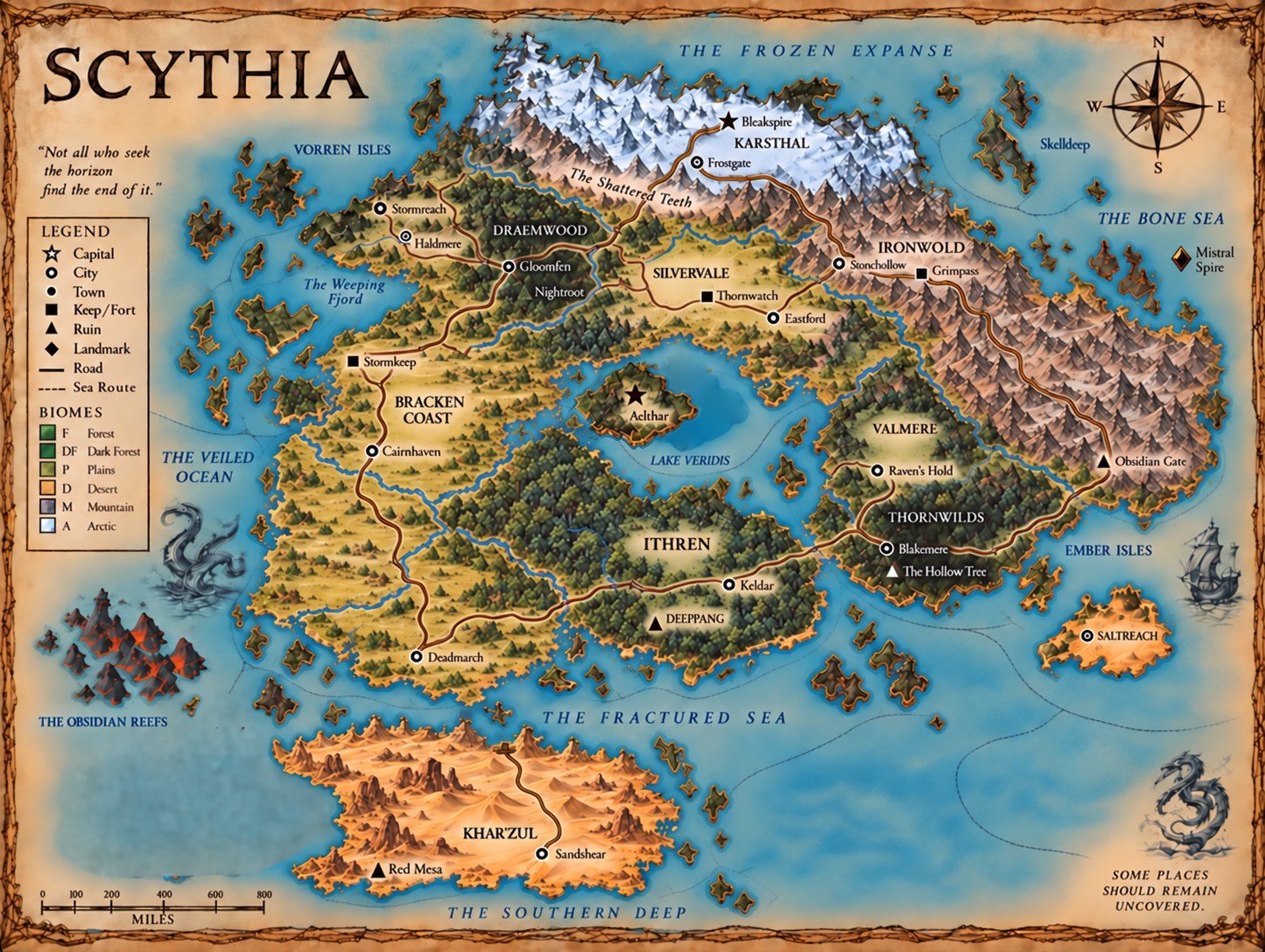
IthrenForest
Pine forest round Lake Veridis, where most journeys begin at the Ithren Dock. Keldar, a city of stone terraces and falling water, is being raised in its dell.
DraemwoodDark Forest
Old oaks, marsh and thorn. Spiders, banshees and hags keep to its hollows, and its poisons are its own.
The Bracken CoastPlains
Tall grass and long roads, with Silvervale to the north. Bandits camp by the roads, gnolls hunt in bands, and ogres throw stones from their dens.
IronwoldMountains
Peaks cut by deep gorges, gem veins in the rock, chamois on the ledges, and trolls and giants higher up, as far as the Obsidian Gate.
KarsthalArctic
The frozen north under Bleakspire and Frostgate: mammoth and caribou, yeti, and the frost wraith whose touch is cold.
Khar'zulDesert
Across the Fractured Sea: wadis, stony ravines and dunes, scorpions, sand serpents and the basilisk's gaze.
In the middle of it all, the island city of Aelthar, reached over the Bridge of Veridis.
Combat and hunting
Every blow has a kind.
In the game- Weapons cut, pierce or crush; every creature is weak to one and may shrug off another. Fire, frost and poison come on as extras.
- Creatures run from Common to Mythic; examine one and it tells you whether it is a Low, Medium or High danger to you, or Death.
- Past the Common, creatures drop materials named for them, of their own quality.
- Health and stamina to watch, pots for anyone to throw, groups of up to six, and duels between players.
Coming: open PvP for those who want it, by declaring for the Aegis or the Vanguard. Join neither and no player can attack you outside a duel.
Exploration
Go and see what is there.
In the game- A world walked on foot, with roads between the towns and wild country between the roads.
- Gorges, crypts cut into the ground, and landmarks you steer by from far off.
- Ships sailing between the ports, and you aboard them.
- Day and night by one clock for everyone, forty-five minutes round, with weather, moons and the creatures' own hours.
- Camps in the wild, to heal, rest and wake by.
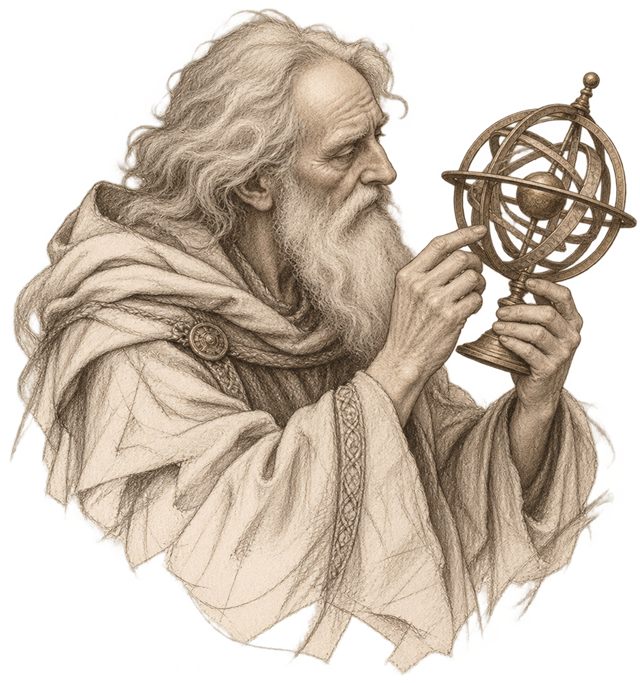
Skills and progression
Earned by doing.
In the game- Nine skills that grow as you use them: woodcutting, mining, foraging, fishing, crafting, farming, combat, brewing and survival.
- Five professions, the Weaponmaster, Frontiersman, Artisan, Homesteader and Chymist, each a tree of boxes from Novice to Master, then one specialist.
- Nothing is fixed when your character is made: you start in plain clothes and take up a profession when you choose.
Being settled: the professions' last trees, what each box costs, and the requirements gear asks of you (shown now, not yet enforced).
Gathering and crafting
Made by hand, worn by use.
In the game- Trees, rocks, ore and gem veins, bushes and herbs, each of a size that sets how long it takes; what is felled grows back, young first.
- Workbench, forge, cauldron and the Wright's Bench: tools, arms, armor, bows and pots.
- Two scales on a made thing: its quality, Common to Mythic, and its maker's craftsmanship, Vendor to Masterwork.
- Arms and armor wear with use and more with death; a town's smith mends them for coin, or a Master Artisan at their own station.
Being reworked: materials and recipes, so that what you gather, and how well, decides what can be made of it.
Farming and homesteading
A place of your own.
In the game- Claim a plot of wild land, one a player, and grow it to twice the size as a Homesteader.
- Build on it: walls, roofs, doors, furniture, a chest that counts as carried when you craft at home.
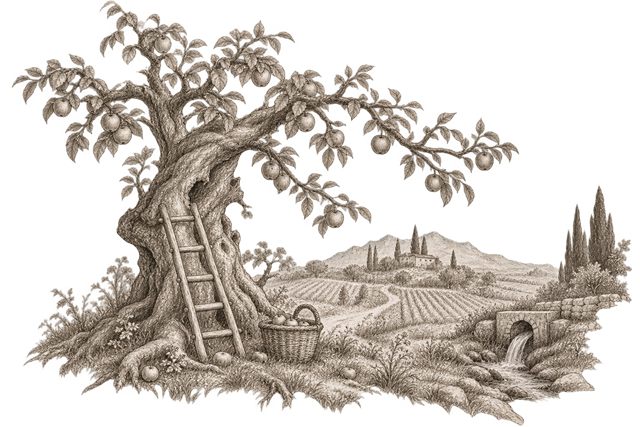
- Till, sow and water crops, herbs and fruit trees, and bring them in.
- Guilds hold land of their own, to build on together.
Coming: houses of two storeys (begun), houses in the great cities, and cooking at the hearth.
Fishing
Every fish a fight.
In the game- Anyone may fish, from the shore or from a ship's deck. A strike sets the hook, and every fish is reeled, runs and tires.
- The water decides what bites: deep ocean best, then the coast, river mouths, lakes and rivers.
- Each kind of fish keeps its own hours, weather and moon; the rare ones toy with the bait first.
Trade and the economy
What you make, others want.
In the game- Trade face to face, item for item and coin for coin.
- Keep one shop in town: a stall, or a row of up to five shopfronts with a booth behind.
- Guilds founded at a town's bulletin board, growing from a handful to a hundred members.
- Because gear wears out and the best of it needs what hunters bring back, makers and users always need each other.
Coming: markets in the towns, and one for the whole world in a capital.
The Chronicles
Older than anyone walking it.
Five ages of crowns, ruin, rebuilding and a long peace lie behind the world you walk into. Read them, or hear them read aloud.